Flat clay roof tiles have become one of the defining features of modern residential architecture. Their clean lines, subtle profiles, and long service life make them an attractive alternative to both traditional barrel tiles and concrete roofing products. While contemporary homes often favour simple roof designs, many homeowners are surprised to learn that clay remains one of the most durable and time-tested roofing materials available.
Across Europe, flat clay roof tiles have been used on everything from modern custom homes to commercial buildings for decades. Today, many of these same profiles are available throughout the United States and Canada, giving architects and homeowners access to roofing systems that combine traditional craftsmanship with contemporary design.
What Are Flat Clay Roof Tiles?
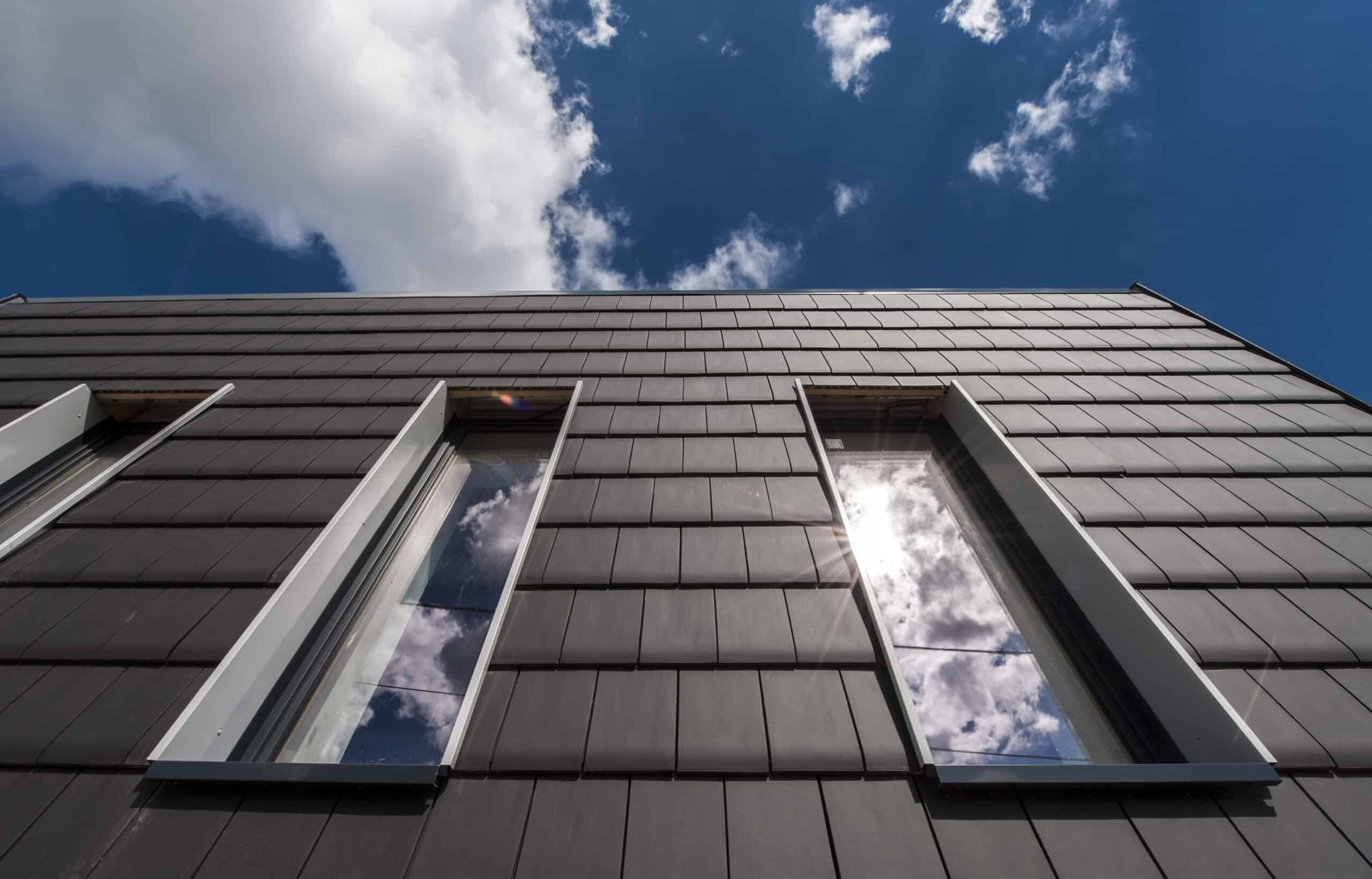
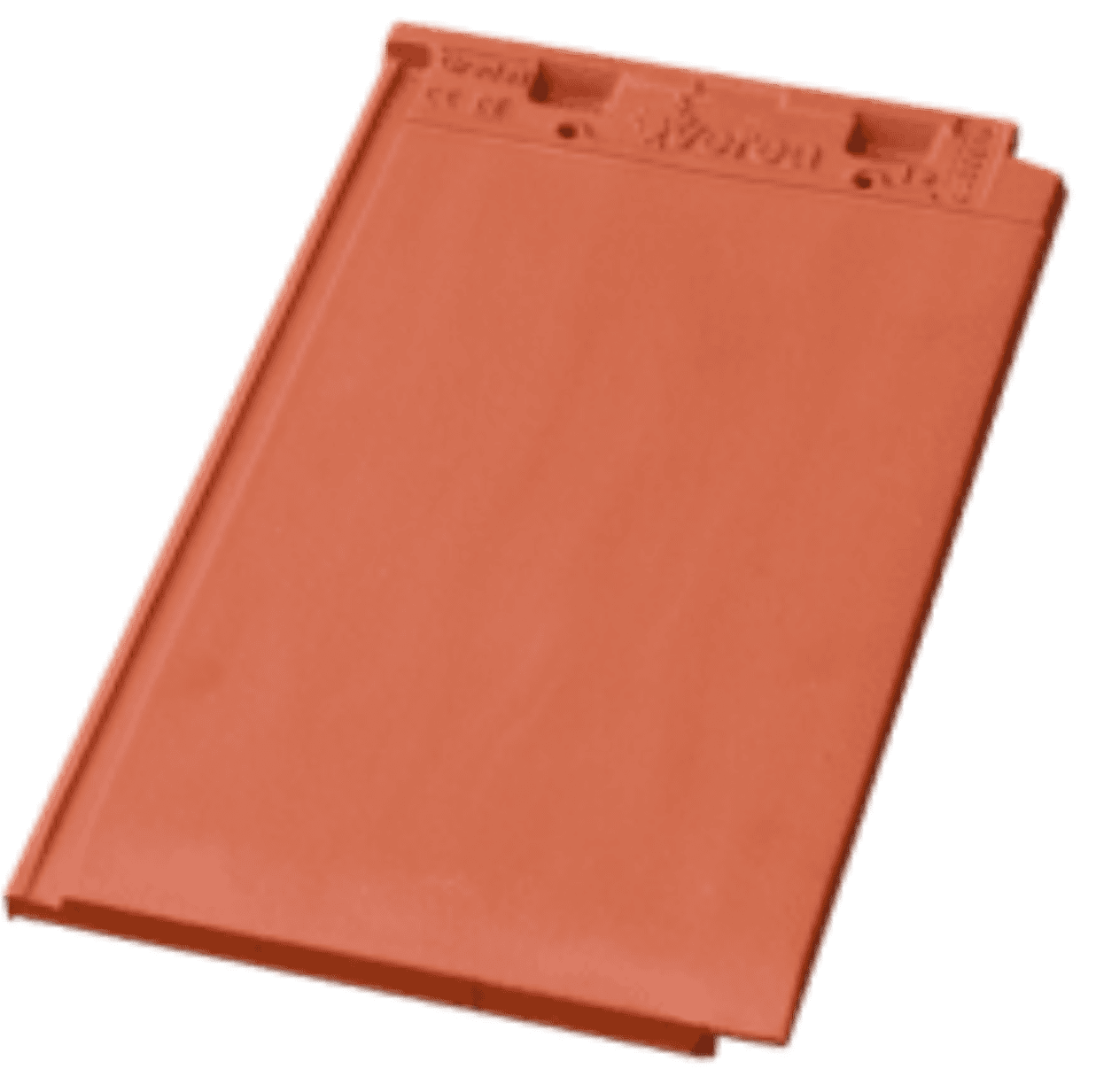
Unlike traditional S-shaped or barrel tiles, flat clay roof tiles have a smooth, low-profile appearance. Most modern designs use an interlocking system that improves weather resistance while creating clean, consistent roof lines.
The result is a roof that complements contemporary architecture without sacrificing the durability that has made clay roofing one of the world’s longest-lasting building materials.
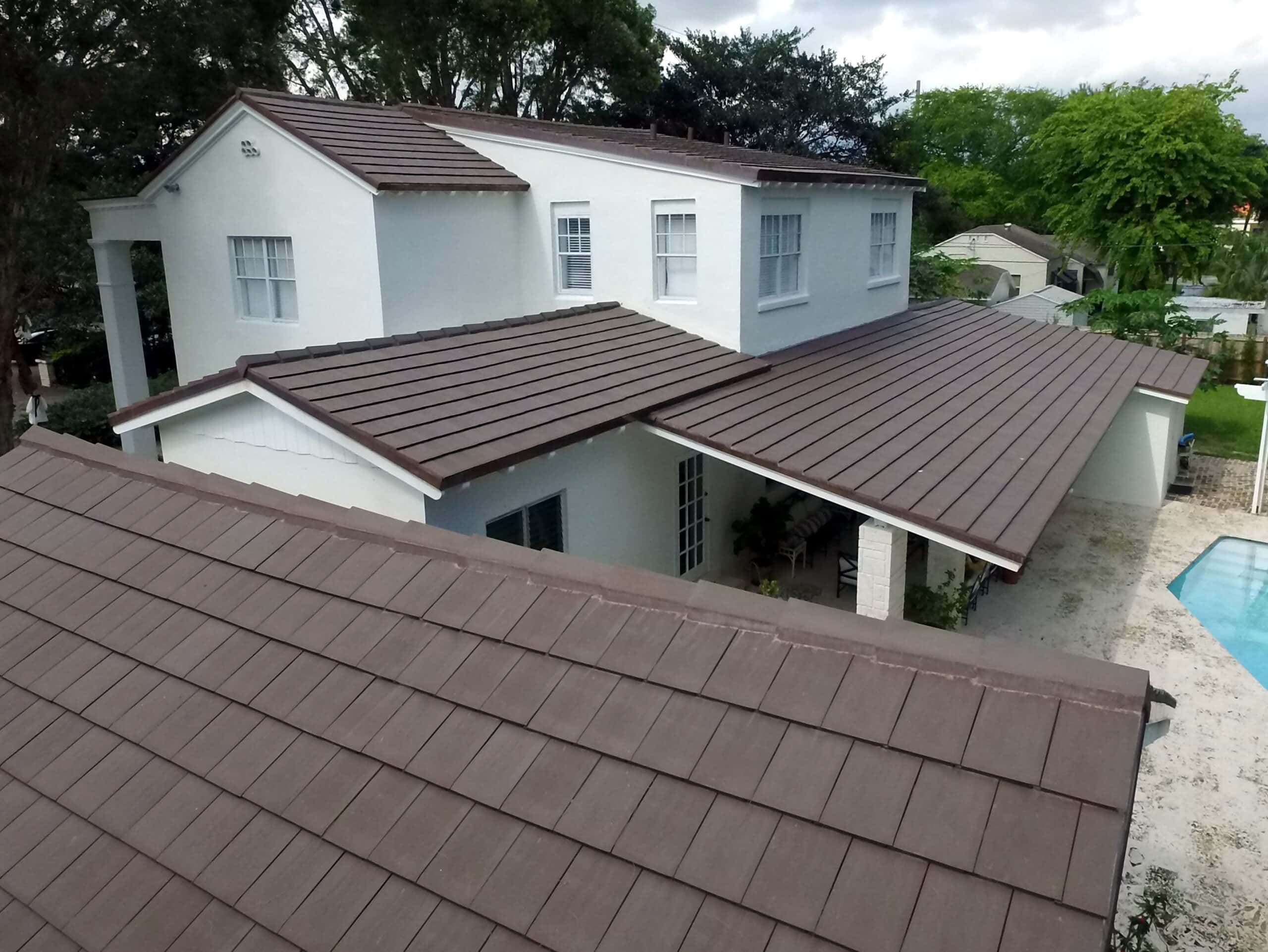
Flat clay roof tiles are particularly popular on homes featuring large windows, natural stone, stucco, wood cladding, or minimalist architectural styles. Their simple geometry allows the roof to become part of the overall design rather than dominating it.
Most flat clay roof tiles use an interlocking design with both side locks and headlocks. These features help create a weather-resistant roof by reducing the risk of wind-driven rain and snow entering beneath the tiles. Compared to older non-interlocking profiles, modern flat clay roof tiles offer excellent weather performance while maintaining a clean, contemporary appearance.
Why Flat Clay Roof Tiles Continue to Grow in Popularity
Modern homeowners are looking for roofing materials that not only perform well but also contribute to the overall appearance of their home. Flat clay roof tiles offer several advantages that have made them increasingly popular for new construction and high-end renovations.
Perhaps their greatest strength is their ability to combine modern aesthetics with exceptional longevity. While many roofing materials are expected to last a few decades, properly manufactured and installed clay roof tiles can remain in service for 75 to 100 years or more.
Equally important is their ability to retain their appearance. Because the colour comes from natural clay and the firing process rather than surface coatings, high-quality clay roof tiles resist fading far better than many alternative roofing materials.
European Clay Roof Tiles for Contemporary Homes
Europe has long been recognised as the centre of clay roof tile manufacturing. Companies such as Edilians in France, Verea in Spain, and La Escandella have developed flat interlocking profiles specifically for modern architecture.
These manufacturers combine centuries of experience with advanced manufacturing techniques to produce roof tiles that meet demanding performance standards while maintaining the clean appearance expected in contemporary design.
Many of these products are now available throughout North America, giving homeowners access to the same roofing systems used on projects across Europe.
Flat Clay Roof Tiles vs Concrete Roof Tiles
Both clay and concrete roofing products can provide many years of service, but there are important differences.
Clay roof tiles generally offer superior colour stability because the colour is integral to the tile rather than relying on surface coatings. They also tend to maintain their appearance longer and are often chosen for premium residential projects where long-term aesthetics are a priority.
Concrete roof tiles are typically less expensive initially, but they can weather differently over time and may require additional maintenance depending on the climate and product selected.
For homeowners planning to remain in their home for many years, the longer lifespan and timeless appearance of clay often justify the higher initial investment.
Choosing the Right Flat Clay Roof Tile
Not every flat roof tile is the same. The profile, colour, dimensions, and installation system all contribute to the finished appearance.
Some homeowners prefer a smooth slate-grey finish that complements contemporary architecture, while others choose warmer earth tones that blend naturally with brick or stone exteriors.
The roof pitch, local climate, and architectural style should all be considered before selecting a particular profile. Working with an experienced supplier can help ensure the chosen tile is appropriate for both the design and the location of the project.
Are Flat Clay Roof Tiles Suitable for Cold Climates?
One of the most common questions we receive concerns freeze-thaw performance.
Modern European clay roof tiles are manufactured to withstand demanding weather conditions and are successfully installed throughout many regions of Europe that experience freezing temperatures and snow.
When installed correctly using an appropriate roofing system, quality clay roof tiles perform exceptionally well in many parts of the United States and Canada.
Proper roof design, ventilation, and installation remain just as important as the tile itself.
One of the most common questions we receive is whether flat clay roof tiles are suitable for northern climates. High-quality European clay roof tiles manufactured to ASTM Grade 1 standards are designed for severe freeze-thaw conditions and are used successfully throughout many parts of Europe, Canada, and the northern United States.
Roof design and installation remain critical, but when installed correctly, modern clay roof tiles provide outstanding long-term performance in cold climates.
A Sustainable Roofing Choice
A roof that lasts for generations is often one of the most sustainable choices a homeowner can make.
Because clay roof tiles have such a long service life, they reduce the need for repeated roof replacements and the associated environmental impact. Clay is also manufactured from natural materials and many reclaimed clay roof tiles continue to perform successfully after decades of service.
For homeowners seeking a roofing material that combines longevity with timeless appearance, clay remains one of the best long-term investments available.
Roof Pitch Requirements
Most modern flat interlocking clay roof tiles can be installed on roof pitches as low as 4:12 when installed in accordance with the manufacturer’s recommendations. Their interlocking design provides excellent weather protection while allowing architects greater design flexibility than many traditional clay tile profiles.
Another advantage is their suitability for both roofs and vertical wall applications. This allows architects to create a continuous building envelope using the same clay tile profile on both the roof and selected wall sections, producing a distinctive contemporary appearance.
Edilians Diamant
The Edilians Diamant is one of Europe’s most distinctive flat interlocking clay roof tiles. Its diamond-shaped detailing creates subtle shadow lines across the roof that make the profile particularly striking on contemporary homes. For homeowners looking for something beyond a completely flat appearance, the Diamant offers a unique architectural character while maintaining all the performance benefits of a modern interlocking clay tile.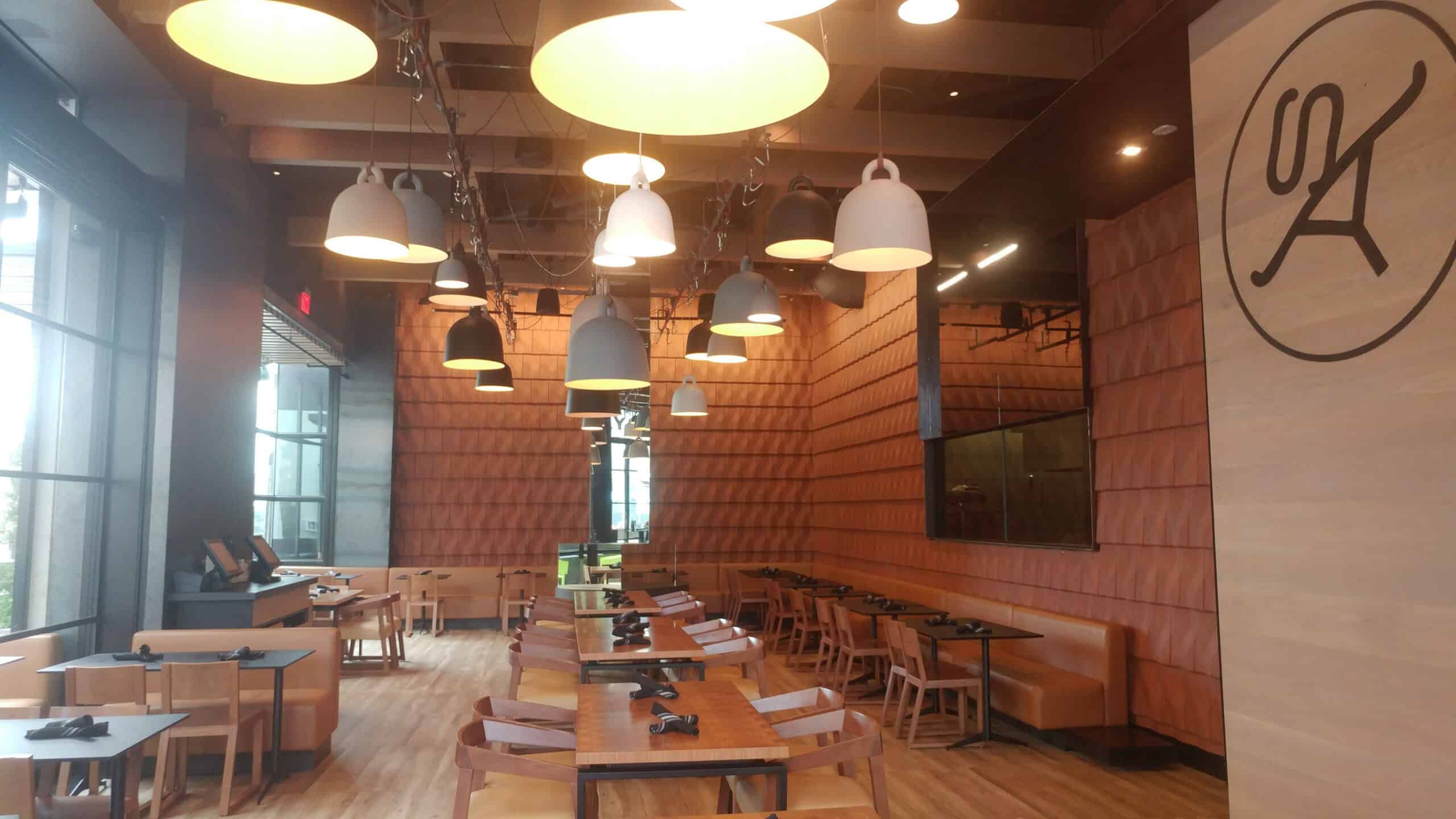
Verea Flat Interlocking
Verea’s flat interlocking clay roof tile combines clean contemporary styling with excellent weather performance. Available in a range of natural colours, it is an excellent choice for architects seeking a refined modern appearance without sacrificing the longevity of traditional fired clay.
Final Thoughts
Flat clay roof tiles demonstrate that traditional materials can evolve alongside modern architecture. Their clean appearance, exceptional durability, and long service life make them an excellent choice for contemporary homes, luxury residences, and architectural projects where quality is the priority.
At Northern Roof Tiles, we have supplied imported European clay roof tiles since 1991. Whether you are designing a modern custom home or replacing an existing roof, we can help you select a clay roof tile that complements your project and provides decades of reliable performance.