
Many clay roof tiles sold around the world are beautiful and durable in their local climate. But not every tile is designed for the freeze-thaw cycles common in much of the United States and Canada.
That is where ASTM C1167 testing becomes important.
If you are importing clay roof tiles from Europe, Mexico or anywhere in the world, it is essential to know whether they meet Grade 1 standards for severe weather exposure.
What Is ASTM C1167?
ASTM C1167 is the North American standard used to test clay roof tiles for performance.
It measures critical factors such as:
- Water absorption
- Strength
- Freeze-thaw durability
- Weather resistance
- Overall quality consistency
Tiles that pass Grade 1 are suitable for climates with repeated freezing temperatures.
Why It Matters in North America
Some tiles produced for Mediterranean climates, Mexico or mild European regions may perform well locally but struggle in colder parts of North America.
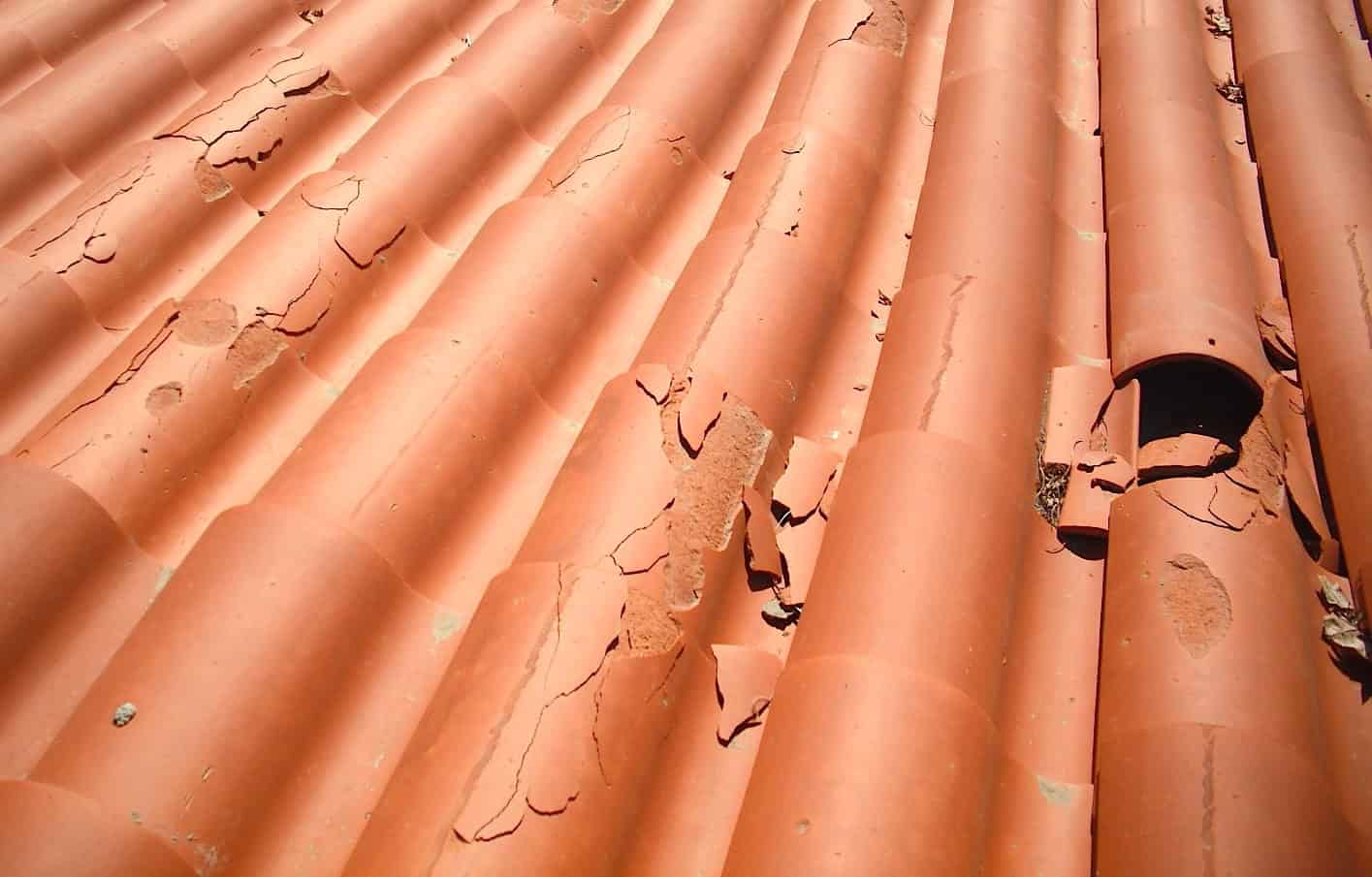
When moisture enters a porous tile and freezes, it expands. Over time this can cause surface shaling, flaking, cracking, and premature failure.
There is also a simple field clue many experienced roofers use. A clay tile that has absorbed moisture or begun to deteriorate often gives a dull thunk when lightly tapped. A sound, dense clay tile will usually produce a clearer ring. While this is not a substitute for laboratory testing, it can be a useful warning sign when inspecting older reclaimed, architectural salvage or questionable tiles.
Over time this can cause:
- Surface shaling
- Flaking
- Cracking
- Premature failure
“This tile failed after moisture penetration. They almost certainly were not fired in the kiln correctly”
Grade 1 Gives Peace of Mind
ASTM Grade 1 means the tile has been tested for demanding weather conditions.
Whether testing is completed by the manufacturer or an independent laboratory, verified results help reduce risk on expensive roofing projects.
At Northern Roof Tiles, we often rely on independent testing from Farabaugh Engineering and Testing for confirmation when required.
Example – Verea Roof Tiles
Verea clay roof tiles are ASTM Grade 1 rated and also have Miami-Dade approvals, making them a strong option for North American climates including hurricane-prone regions.
Beauty Is Important — But Performance Comes First
Many imported roof tiles look stunning in photos. But appearance alone does not tell you how the tile will perform after even one winter.
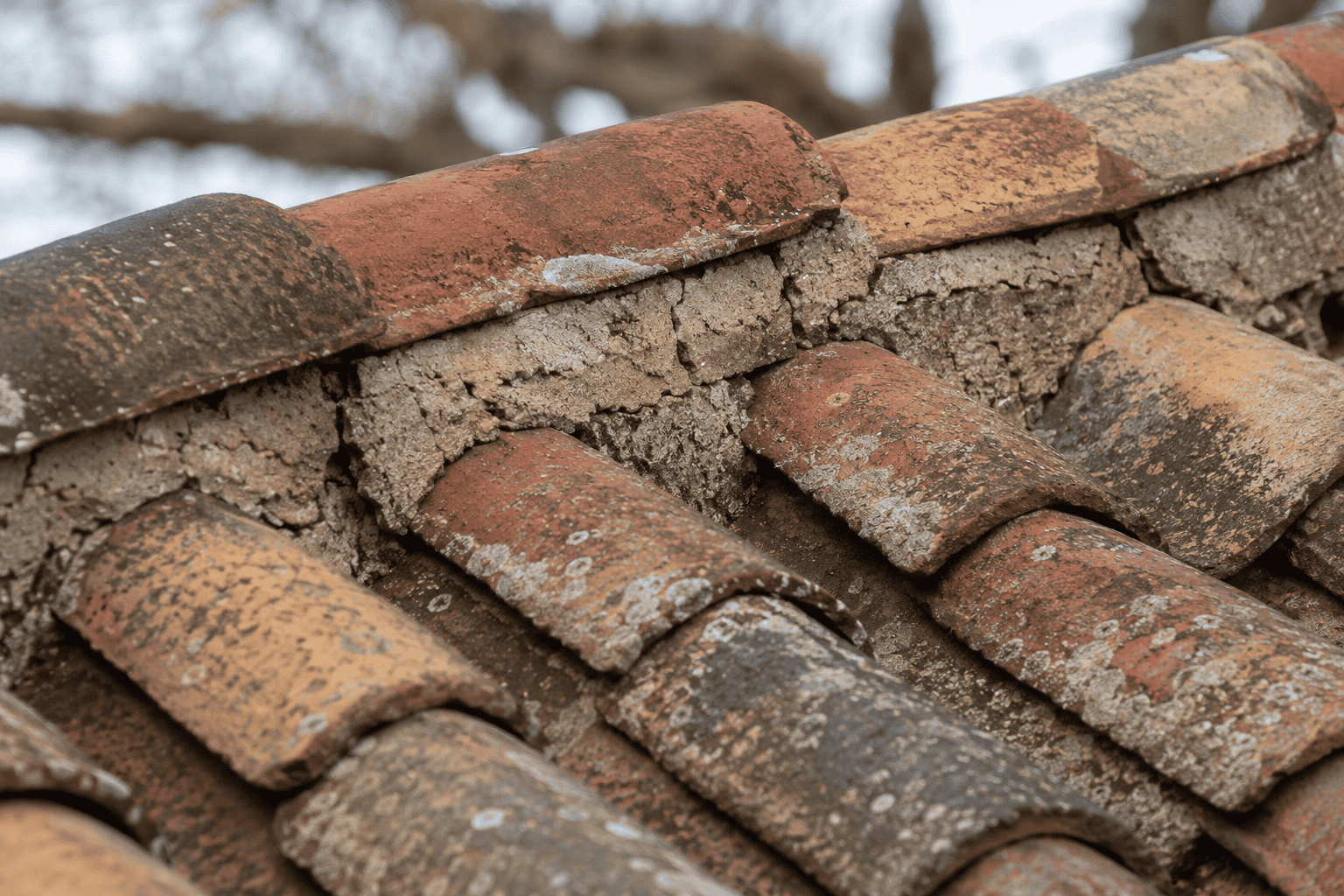
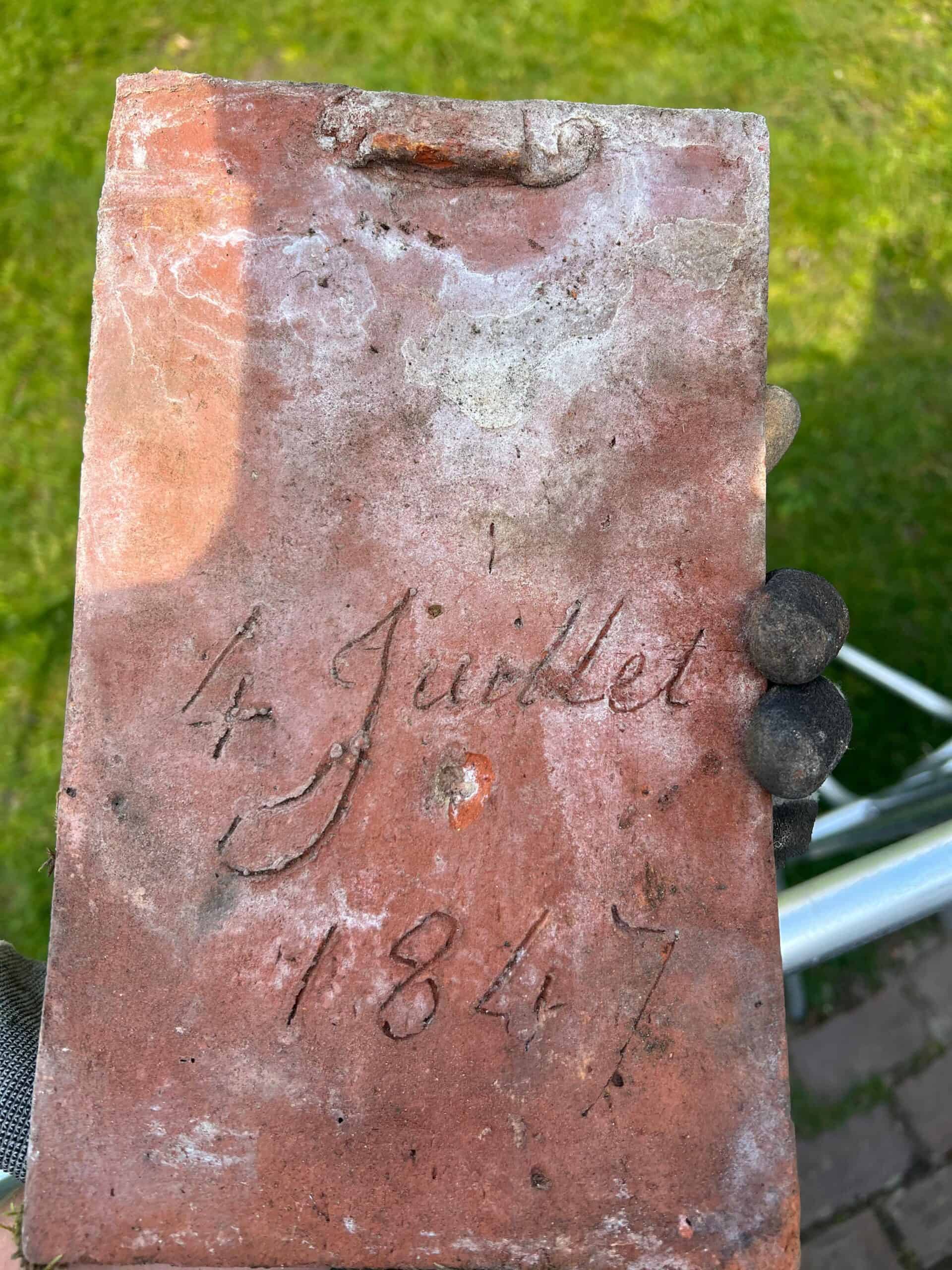
Not all clay roof tiles perform the same. We recently featured a manor house where clay roof tiles installed in 1847 were still serviceable enough to be carefully removed during roof deck maintenance and prepared for reinstallation.
That is the difference quality materials can make.
While lower-grade porous tiles may fail from freeze-thaw exposure, properly manufactured clay roof tiles can protect a building for well over a century.
Before buying imported clay roof tiles, ask:
- Is it ASTM C1167 tested?
- Is it Grade 1 rated?
- Has it been independently verified?
- Is it suitable for my climate zone?
Read also: Clay Roof Tiles from 1847 Still Protecting a Manor House
If you are considering imported clay roof tiles for a North American project, we can help you choose products that offer both beauty and proven performance.
Northern Roof Tiles — Helping clients avoid costly mistakes since 1991.

One Response