
How to Identify a Clay Roof Tile (Step-by-Step Guide)
Whether you need to repair a few tiles or replace an entire roof, identifying your existing clay roof tile is the first — and often most frustrating — step.
Many clay roof tiles were produced decades ago and may no longer be manufactured. Without knowing the exact profile, size, and manufacturer, it can be difficult to find a match.
At Northern Roof Tiles, we help homeowners, contractors, and preservationists identify and match clay roof tiles, including discontinued and historic tiles.
Below is a simple step-by-step guide to identifying your roof tile.
Step 1: Look for Marks on the Back of the Tile
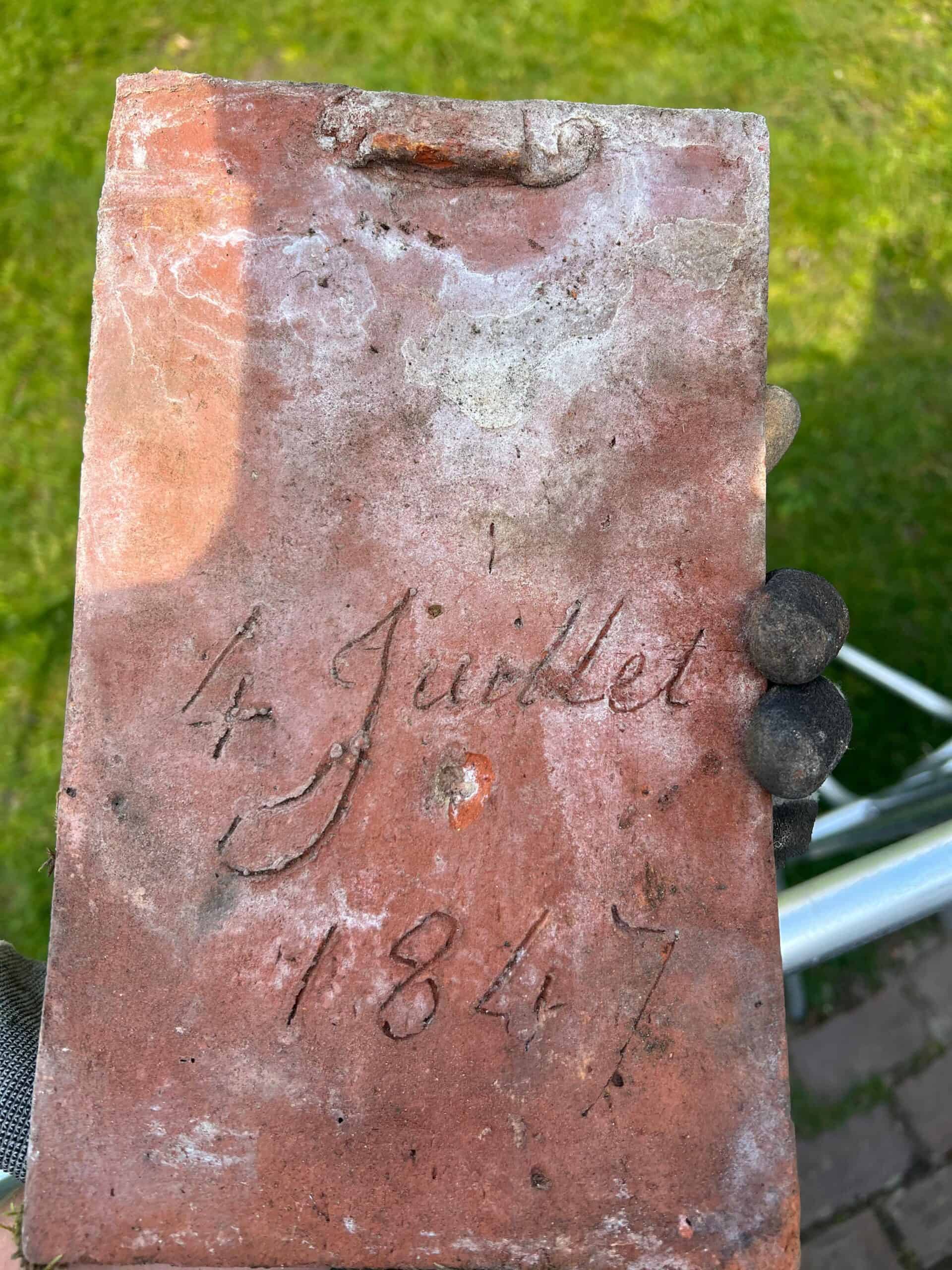
Many clay roof tiles include manufacturer stamps or mold markings on the underside.
Look for:
- Manufacturer name (for example Ludowici, Gladding McBean, or MCA)
- Model numbers or mold codes
- Country of origin
- Size or production numbers
Take a clear photo of the back of the tile in good lighting. In many cases, the stamp alone is enough to identify the tile.
Step 2: Measure the Roof Tile
Tile dimensions are one of the fastest ways to narrow down a match.
Measure and record:
- Length and width (in inches)
- Profile height (how tall the tile sits when installed)
- Exposure or overlap area
If the tile is curved or interlocking, make note of that as well.
A side-view photo with a tape measure is extremely helpful.
Step 3: Identify the Tile Profile
Clay roof tiles come in several common shapes called profiles. Identifying the profile helps narrow down possible matches.
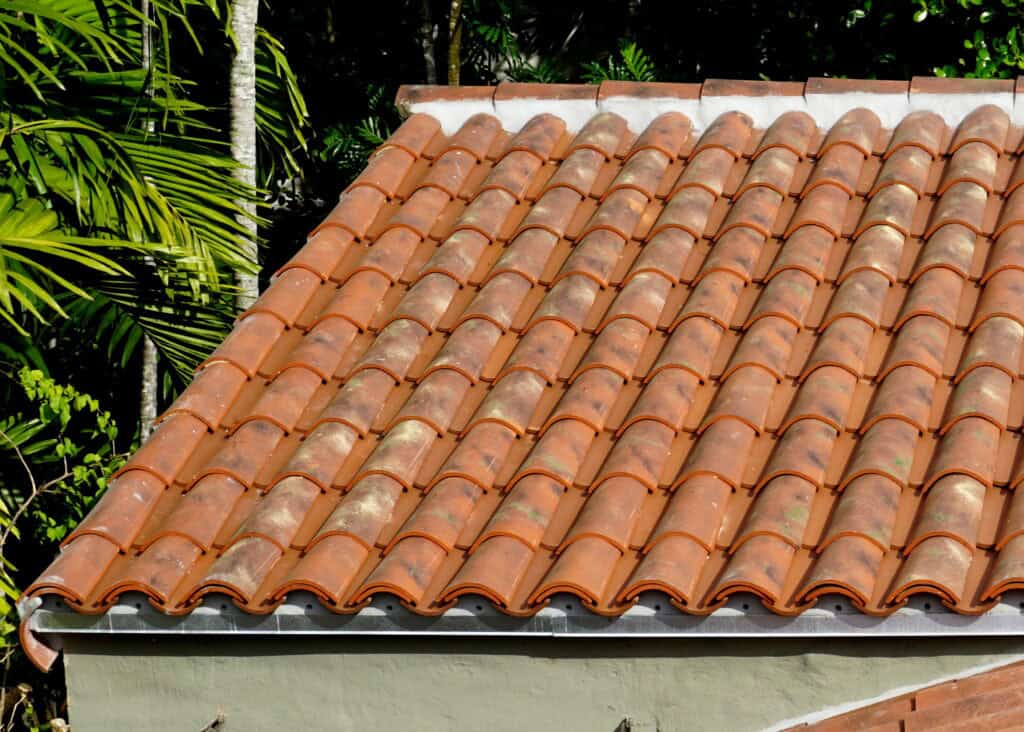
Mission / Barrel Tile
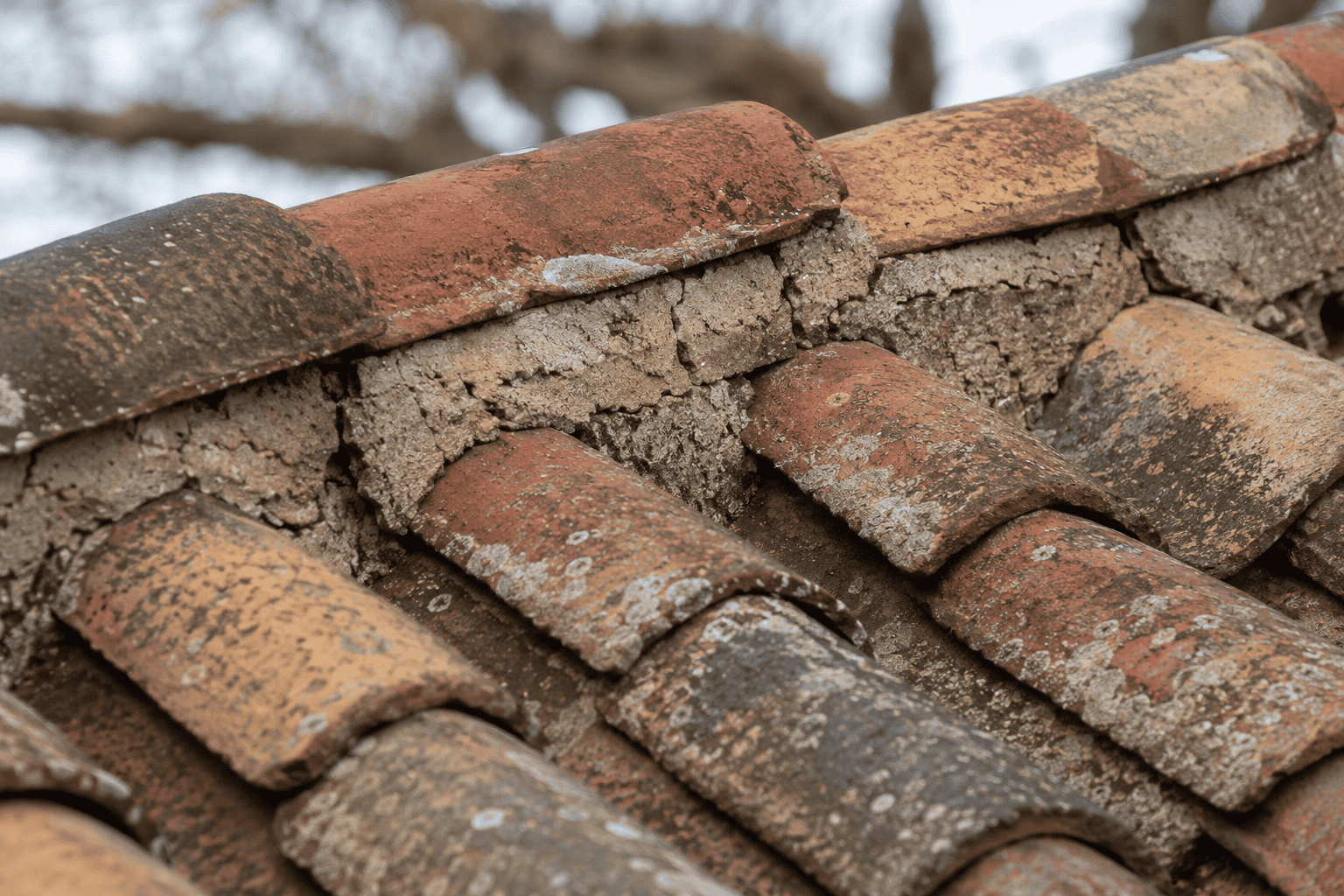
Mission or barrel tiles create the classic wave pattern seen on Spanish and Mediterranean roofs.
They are typically installed using two pieces:
- pan tile
- cover tile
Spanish S Tile
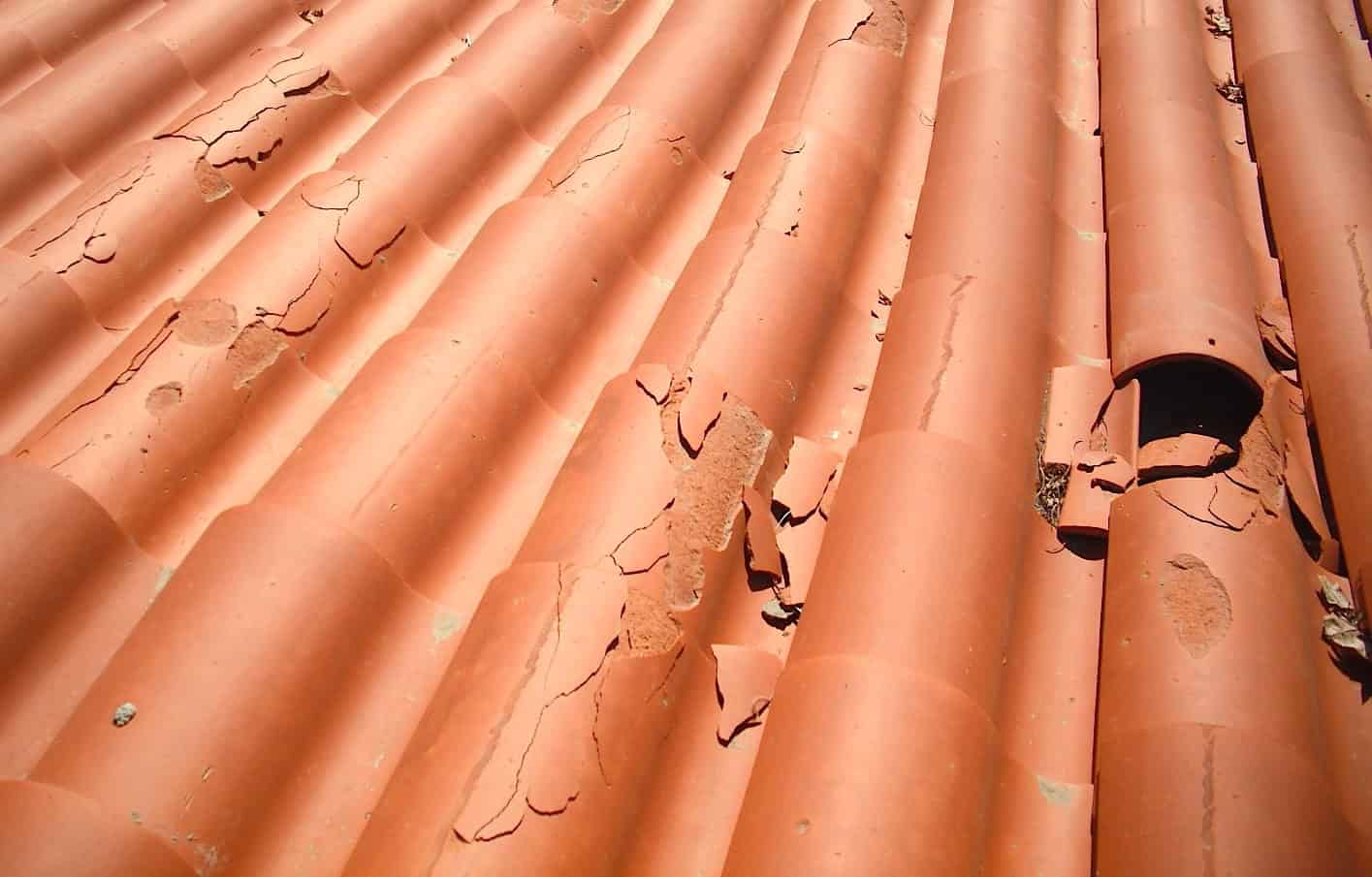
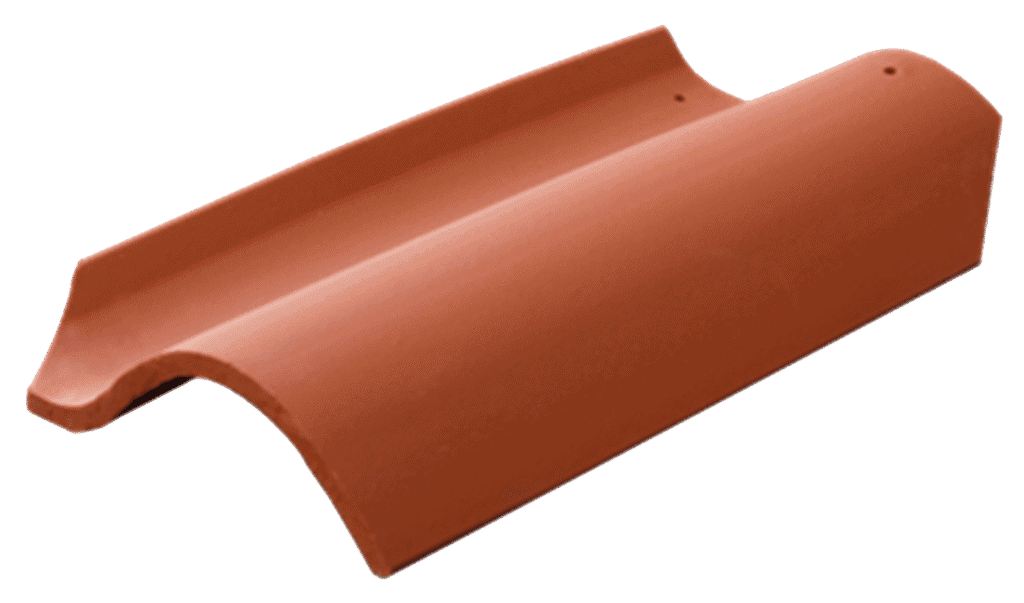
Spanish S-tiles combine the pan and cover tile into a single interlocking piece.
They create the same wave appearance as barrel tiles but install faster.
These tiles became extremely common on homes built from the 1950s through the early 2000s.
Flat Clay Shingle Tiles
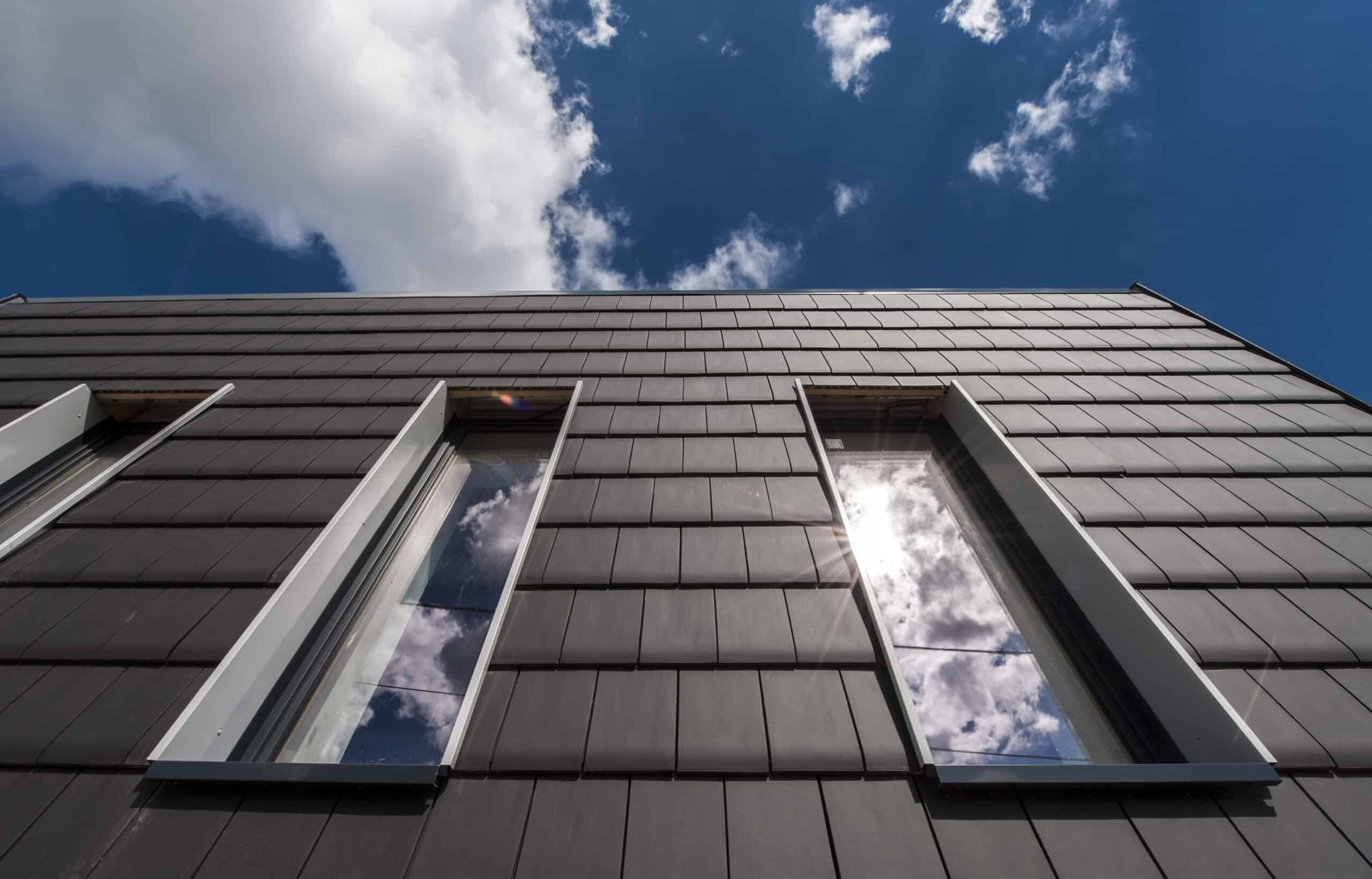
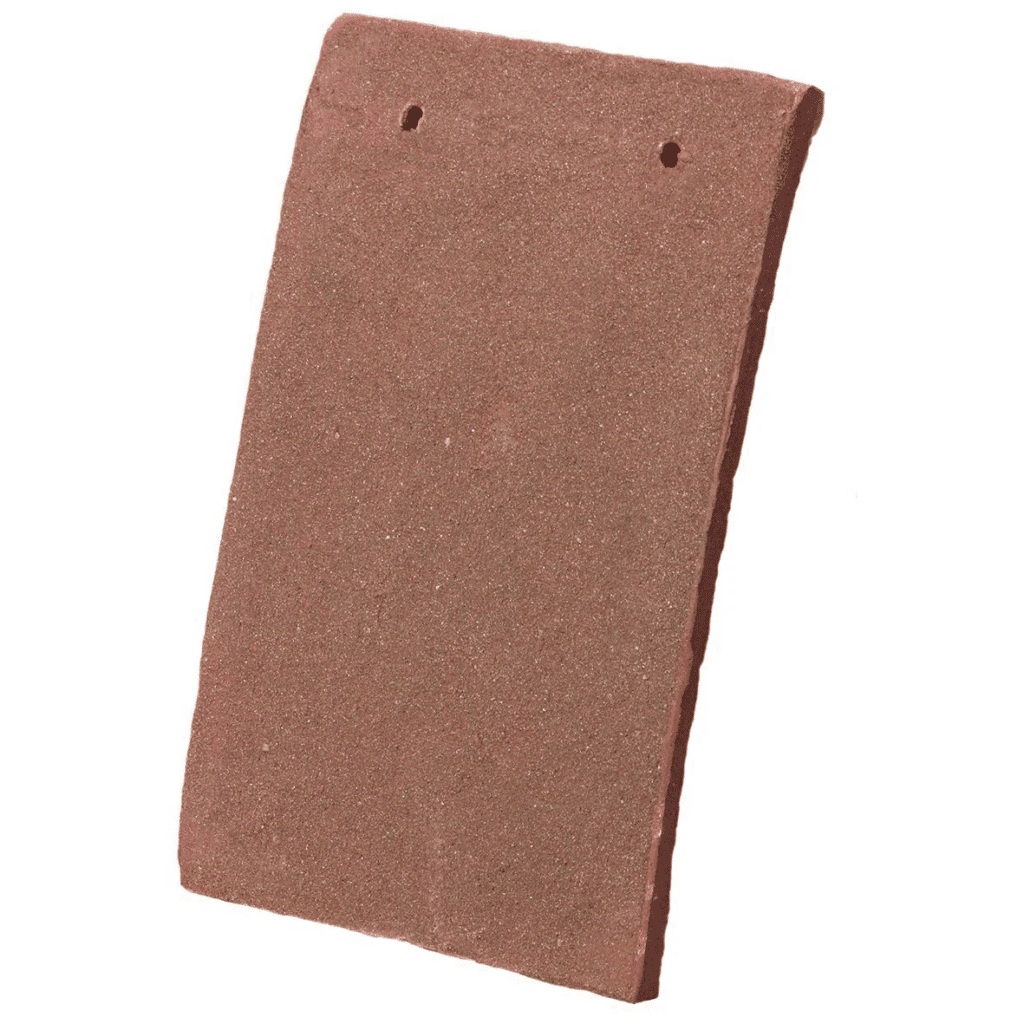
Flat clay tiles resemble wood shakes or slate roofing.
They are commonly found on:
- Tudor homes
- Colonial architecture
- historic institutional buildings
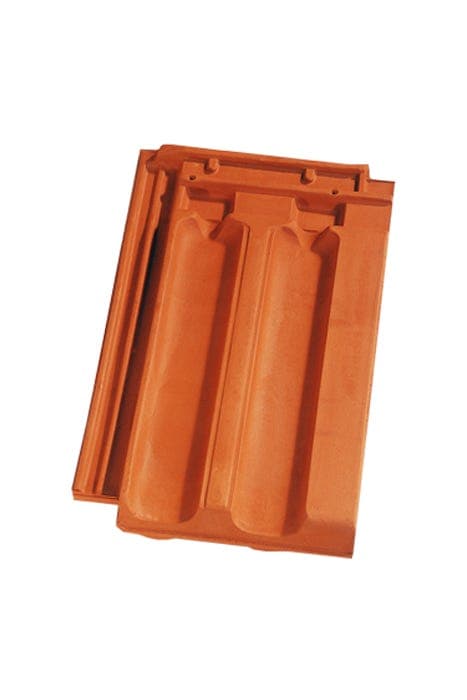
Interlocking Clay Roof Tiles
Interlocking tiles include side channels or flanges that lock together.
These tiles were designed to improve:
- water resistance
- wind performance
- installation speed
Many modern clay roof tiles use this design.
Step 4: Take Clear Photos of the Tile and Roof
Photos are the most important tool for clay roof tile identification.
Try to include:
- front of the tile
- back of the tile
- side profile
- tile installed on the roof
- a wider photo of the entire roof
Use good lighting and include a ruler or tape measure for scale.
Check out our guide on “How to take photos of tiles“
Common Clay Roof Tile Manufacturers
Ludowici is one of the most well-known American clay roof tile manufacturers.
Many clay tiles can be identified by the manufacturer stamp on the underside.
Below are several manufacturers commonly found on North American roofs.
Ludowici Roof Tiles
Their tiles are frequently found on:
- historic homes
- universities
- churches
- institutional buildings
Many Ludowici tiles include a manufacturer stamp on the underside, although some older tiles only include mold numbers.
Gladding McBean Roof Tiles
Gladding McBean produced clay roof tiles in California for more than a century.
Their tiles are commonly seen on Spanish Revival and Mediterranean style homes, especially on the West Coast.
Many tiles include a GMB stamp or mold marking.
MCA Clay Roof Tiles
MCA (Monier Clay Roofing) produced clay roof tiles widely used across North America until the company closed in 2016.
Homes built between 1980 and 2015 frequently used MCA tiles.
Because these tiles are discontinued, many homeowners now rely on reclaimed tile matching services.
Step 5: Send the Tile Photos to Northern Roof Tiles
Once you’ve gathered your measurements and photos, send them to our team.
Email:
Or submit them through our Tile Matching Request Form.
Our team will review the information and help you:
- identify the tile
- determine if it is still manufactured
- locate matching tiles from stock or reclaimed sources
Why Use Northern Roof Tiles for Tile Matching?
Matching clay roof tiles requires experience and a large reference database.
At Northern Roof Tiles, we have:
- decades of experience matching clay roof tiles
- a database of hundreds of discontinued profiles
- access to reclaimed tile suppliers across North America
- relationships with European clay tile manufacturers
Even if your tile was made 50–100 years ago, we can often help identify it.
Need Help Identifying Your Clay Roof Tile?
Send photos and measurements to:
Or start your request here:
Our team will review the information and help you identify and match your clay roof tile.
Frequently Asked Questions
How do I identify my clay roof tile?
Look for a manufacturer stamp on the back of the tile, measure the tile dimensions, and take photos of the tile profile and roof.
What if my roof tile has no markings?
Many older tiles have no manufacturer stamp. In those cases the tile can often still be identified using measurements, profile shape, and photos.
Can discontinued clay roof tiles still be matched?
Yes. Many discontinued tiles can be matched using reclaimed tiles or similar profiles sourced from manufacturers.
If you’re dealing with a roof repair or restoration, one of the most common questions is: